
Notes from the field.


The Pilot Worked. The System Still Failed.
A technology project can meet every requirement and still fail the organization. The missing piece is often not better software, but accountable ownership after go-live.

Moving Faster Is Not the Same as Making Progress
AI has made execution faster and cheaper. But more output does not create better priorities. As the cost of building falls, judgment becomes the constraint that matters most.

Claude Opus 5: Frontier-Adjacent Capability at Half the Frontier Price
On July 24, 2026, Anthropic released Claude Opus 5 at $5 per million input tokens and $25 per million output tokens, exactly what Opus 4.8 cost. The capability moved; the price card did not. Six weeks after frontier intelligence cost twice as much, that is the part worth putting in front of a budget owner.
GPT-5.6: What Business Leaders Should Know About OpenAI's Tiered Family
On July 9, 2026, OpenAI released GPT-5.6 as three models, not one: Sol, Terra, and Luna. The naming change is the tell. The headline is no longer raw intelligence, it is how much finished work you get per dollar, and which tier you point at which task.

Open Knowledge Format: Your AI Is Only as Good as the Knowledge You Feed It
Google just published the Open Knowledge Format, a quiet spec with a loud implication: the next constraint on your AI is not the model, it is whether your own knowledge is in a form an agent can use. Here is what it is, what to ignore in the hype, and the vendor-agnostic move worth making now.

Vercel's eve: An Open-Source Agent Framework Built for Production
Vercel just open-sourced eve, the framework it uses to run more than 100 agents internally. Its pitch is simple: an agent is a directory, tools are files, and the production plumbing comes built in. Here is what eve actually does, why it matters, and how to think about adopting it.

Claude Fable 5 and Mythos 5: When Safety Becomes a Deployment Decision
On June 9, 2026, Anthropic released two models that share the same brain. Claude Fable 5 and Claude Mythos 5 run on identical weights. The only thing that separates them is what each one is allowed to do, and who is allowed to use it. For business leaders, that design choice is more instructive than any benchmark.

Agentic AI Work Automation: 6 Use Cases and a Mid-Market Playbook
95% of enterprise generative AI pilots produced no measurable P&L impact, yet a documented 5% worked. Here are six agentic AI use cases that ship inside a year, how to sequence them, and the governance layer that turns isolated wins into compounding advantage.

Agentic Commerce Is Not a Channel: It's an Operating-Model Decision
AI-driven retail traffic surged 4,700% in a year. Merchants treating agentic commerce as a channel will lose share to those treating it as an operating-model rebuild across catalog, identity, fraud, loyalty, and attribution.

Artificial Intelligence and Human Centered Design: Why the Future of Technology Starts With People
In a world increasingly shaped by artificial intelligence, the most urgent question is no longer what technology can do — but who it was truly designed for. Speed without intention produces tools that work technically but fail the people using them.

The Silent Budget Leak: Why Most Business Owners Have No Idea How Much They Waste on Technology
You signed up for a free trial three years ago. It auto-renewed. Twice. And you have not logged in since the week you created your account. If that sentence made your stomach drop a little, you are not alone. And the problem is almost certainly bigger than one forgotten subscription.

Claude Opus 4.6: The First Enterprise AI Model Built for Autonomous Teams
Today marks a significant shift in how organizations can deploy AI at scale. Anthropic's Claude Opus 4.6, released February 5, 2026, isn't just another incremental model upgrade. It's the first frontier AI system designed from the ground up to support multiple autonomous agents working in parallel—coordinating tasks, resolving conflicts, and maintaining context across projects that span weeks, not hours.

Progressive Disclosure for AI Agents: Why Less Context Means Smarter Systems
As organizations race to build AI systems that can reason, plan, and act autonomously, they’re discovering a counterintuitive truth: agents get dumber when you give them too much information upfront. The solution isn’t bigger context windows. It’s smarter context management—and progressive disclosure is emerging as the defining pattern.
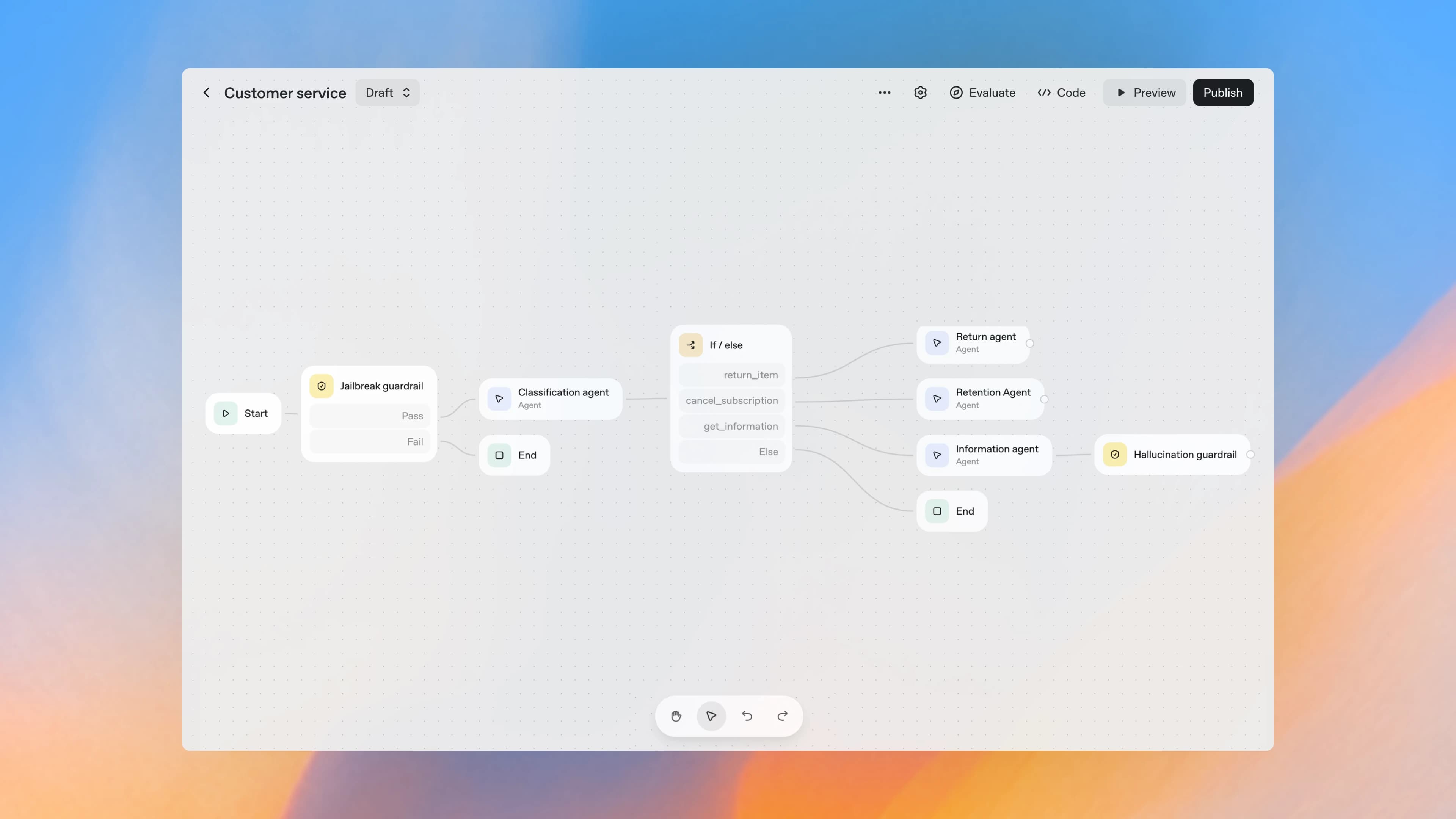
AgentKit: OpenAI’s New Suite for Agentic Workflows — Why It Matters
Build, ship, and optimize AI agents with less friction — from prototype to production.
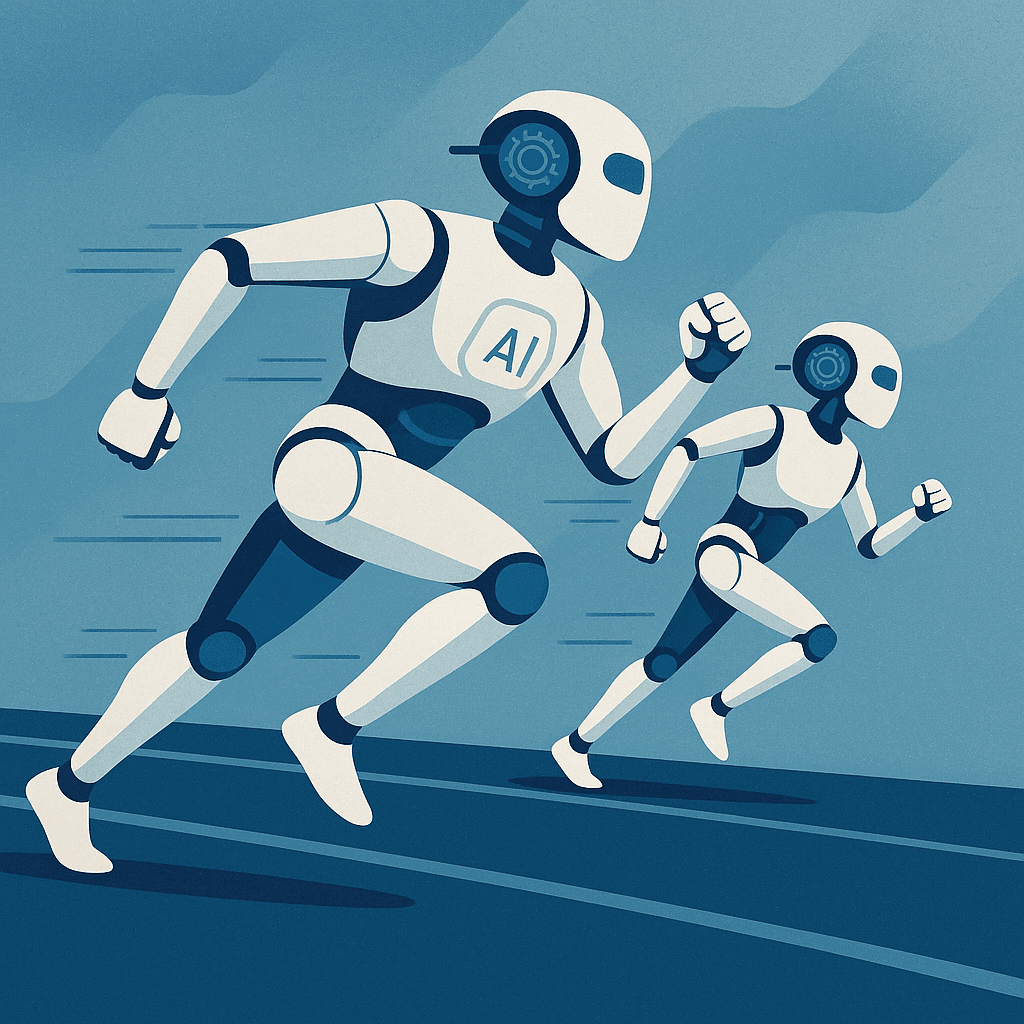
America’s AI Plan Is a Roadmap to Victory—and Puerto Rico Has a Role to Play
The recently published AI Action Plan is the start of an American technological renaissance, and Puerto Rico is ready to play the part.
Next.js 16 Beta: What Developers Need to Know
Performance, predictability, and power — all coming together in the Next.js 16 Beta.

CISOs, It’s Time to Stop Babysitting Alerts—Let AI Handle the Noise
Let’s be honest: no security leader signs up to play digital whack-a-mole all day. Yet here we are—again—fielding 10,000 alerts a week, with half your team triaging and the other half thinking about quitting. The era of alert fatigue isn’t fading; it’s metastasizing. So, what changed? AI, for one. But unlike past waves of tech buzz, this time it’s not optional. It’s operational.

Model Context Protocol: Forging a Standard for How AI Understands Our World
This article introduces the Model Context Protocol (MCP), a new standard designed to solve a crucial problem in AI: how to provide AI models with the contextual information they need to function effectively. It explains how the current lack of standardization leads to complex, inefficient, and potentially unreliable AI systems.

The AI Revolution: Reshaping America's Industrial Core
Artificial Intelligence (AI) is transforming US industries, enhancing efficiency and innovation across healthcare, manufacturing, and finance. The US government is strategically guiding AI's development. Honra.io emphasizes that strategic AI implementation and expert guidance are key to unlocking its transformative potential.